Custom Engineered Components

Nepean designs and manufactures integrated rubber, plastic, and metal components where performance depends on bonding integrity, dimensional control, and repeatable assembly.

Our Capabilities

Multi-material components
built to function as one system
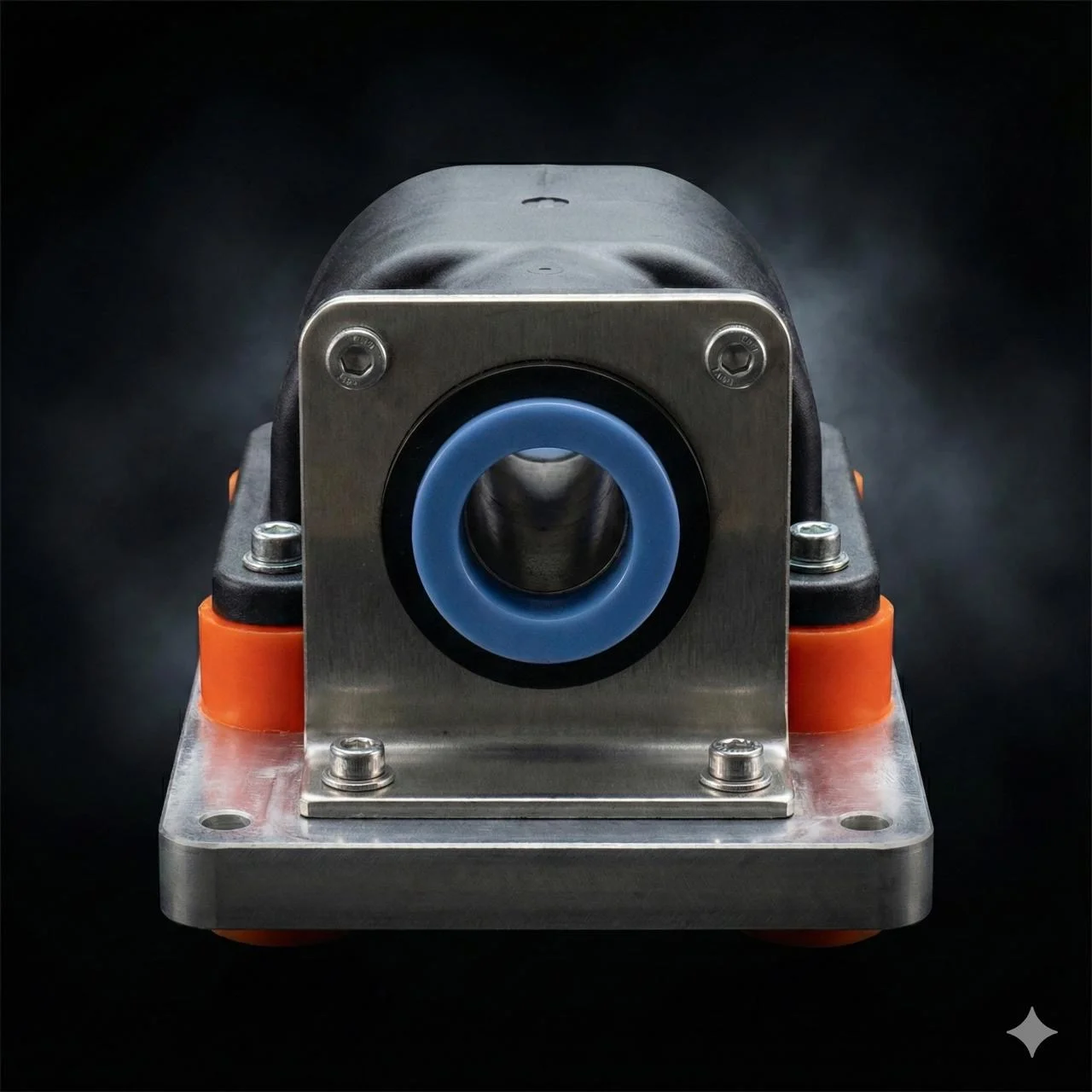
Integrated Component Manufacturing

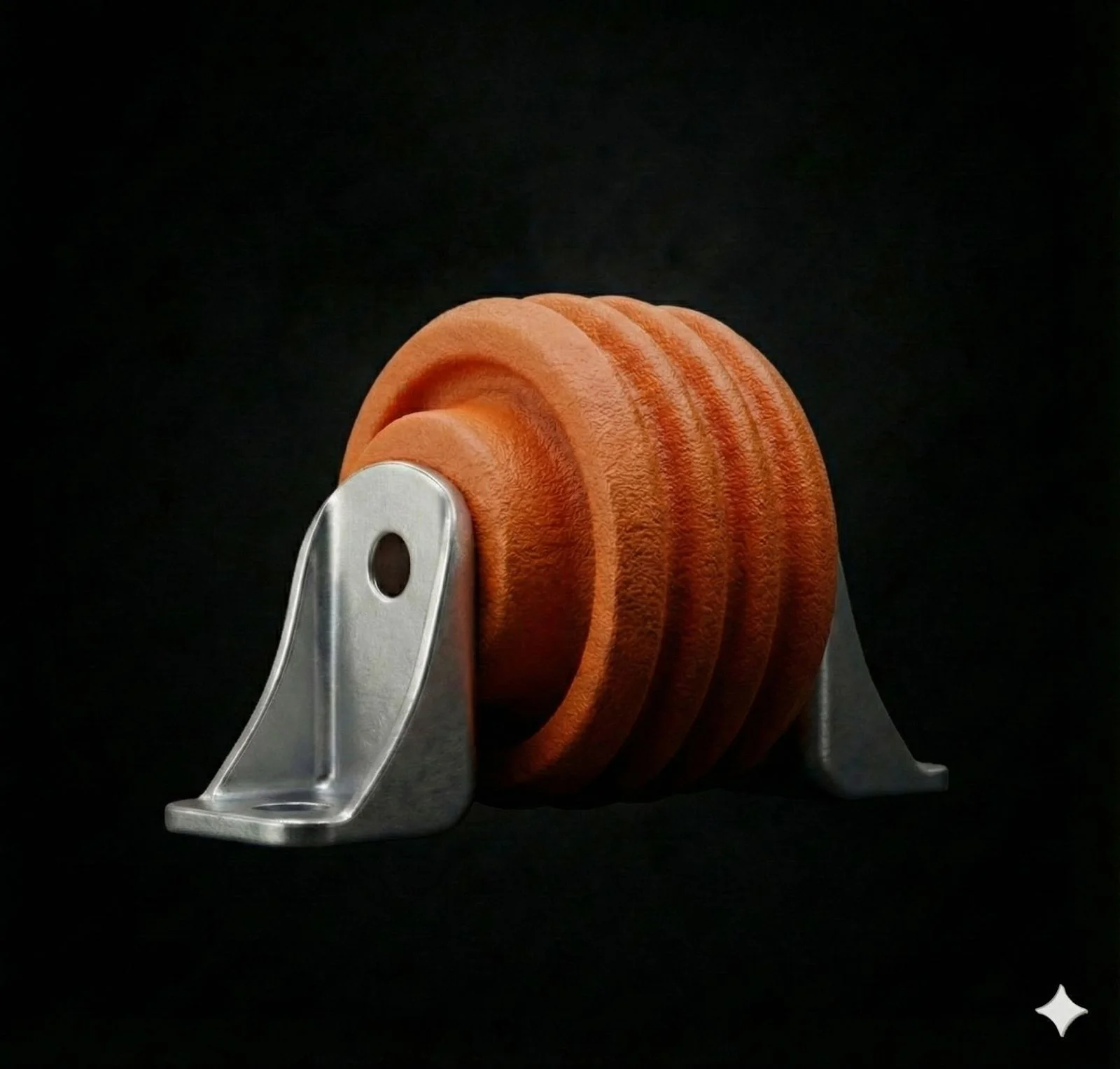
Rubber-to-metal, rubber-to-plastic, and plastic-to-metal bonding for components requiring load transfer, vibration isolation, or structural integrity.
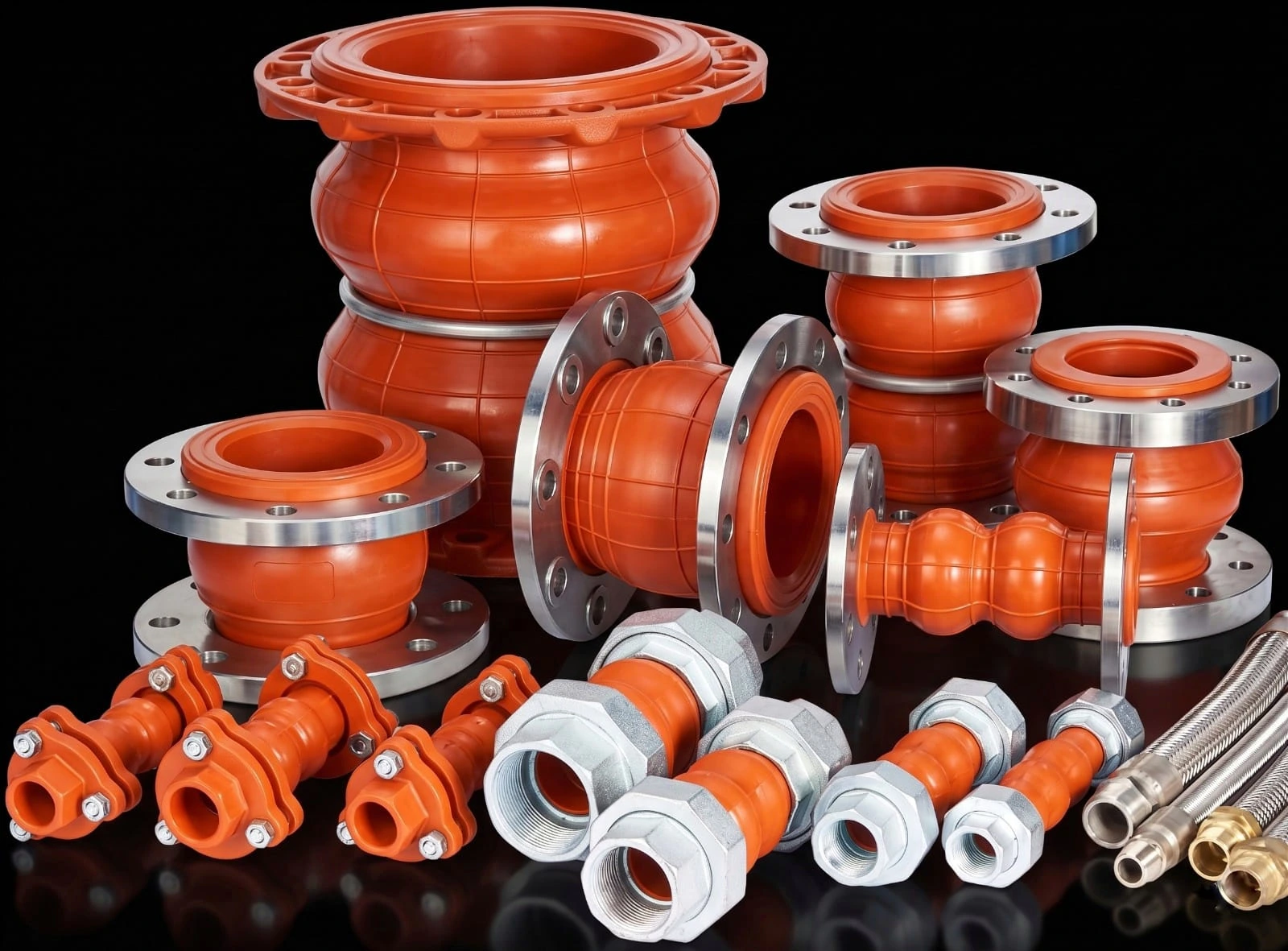
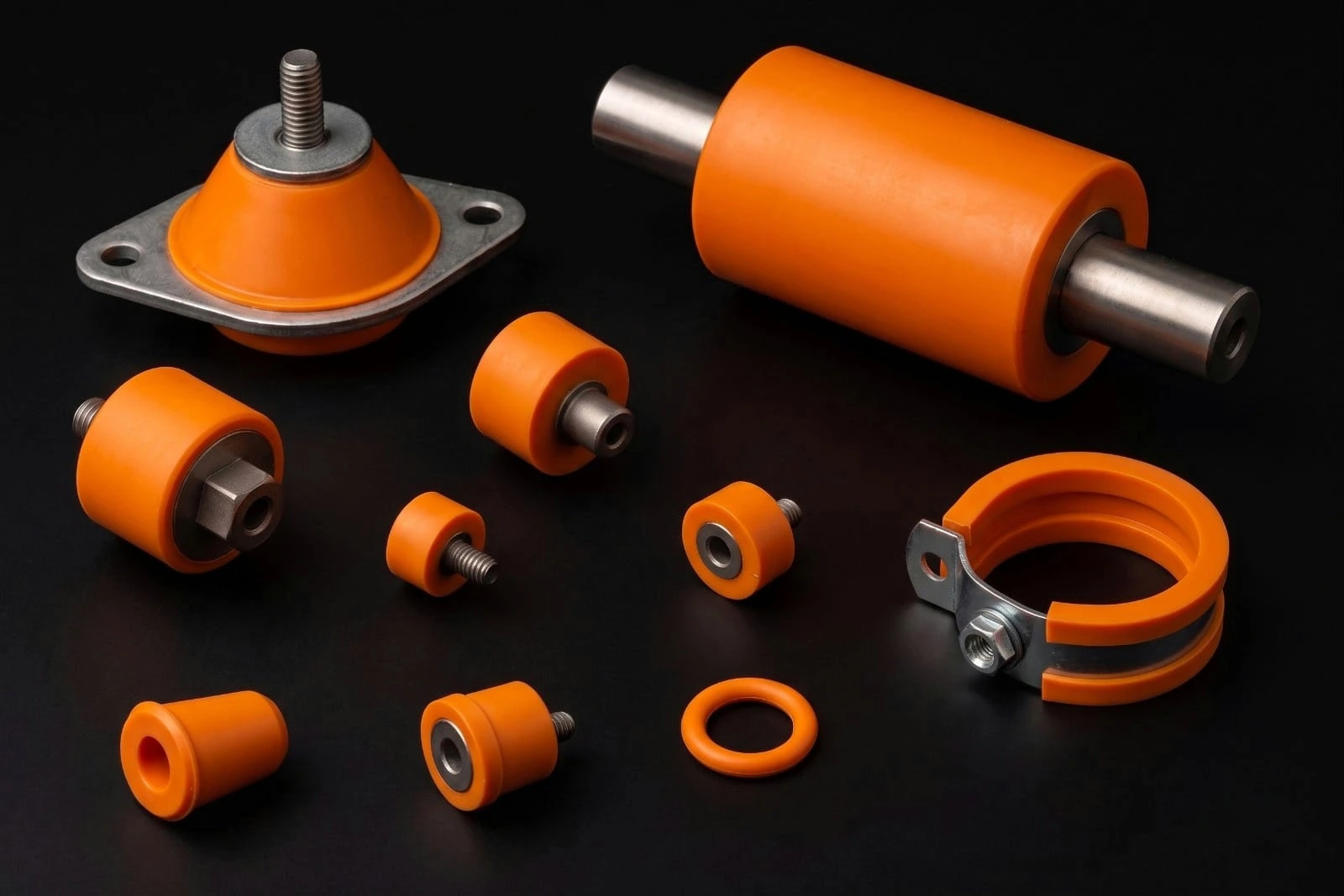
Fabricated Mixed-Material Assemblies

Custom assemblies combining elastomers, plastics, and metals for vibration control, alignment, sealing, and structural support.
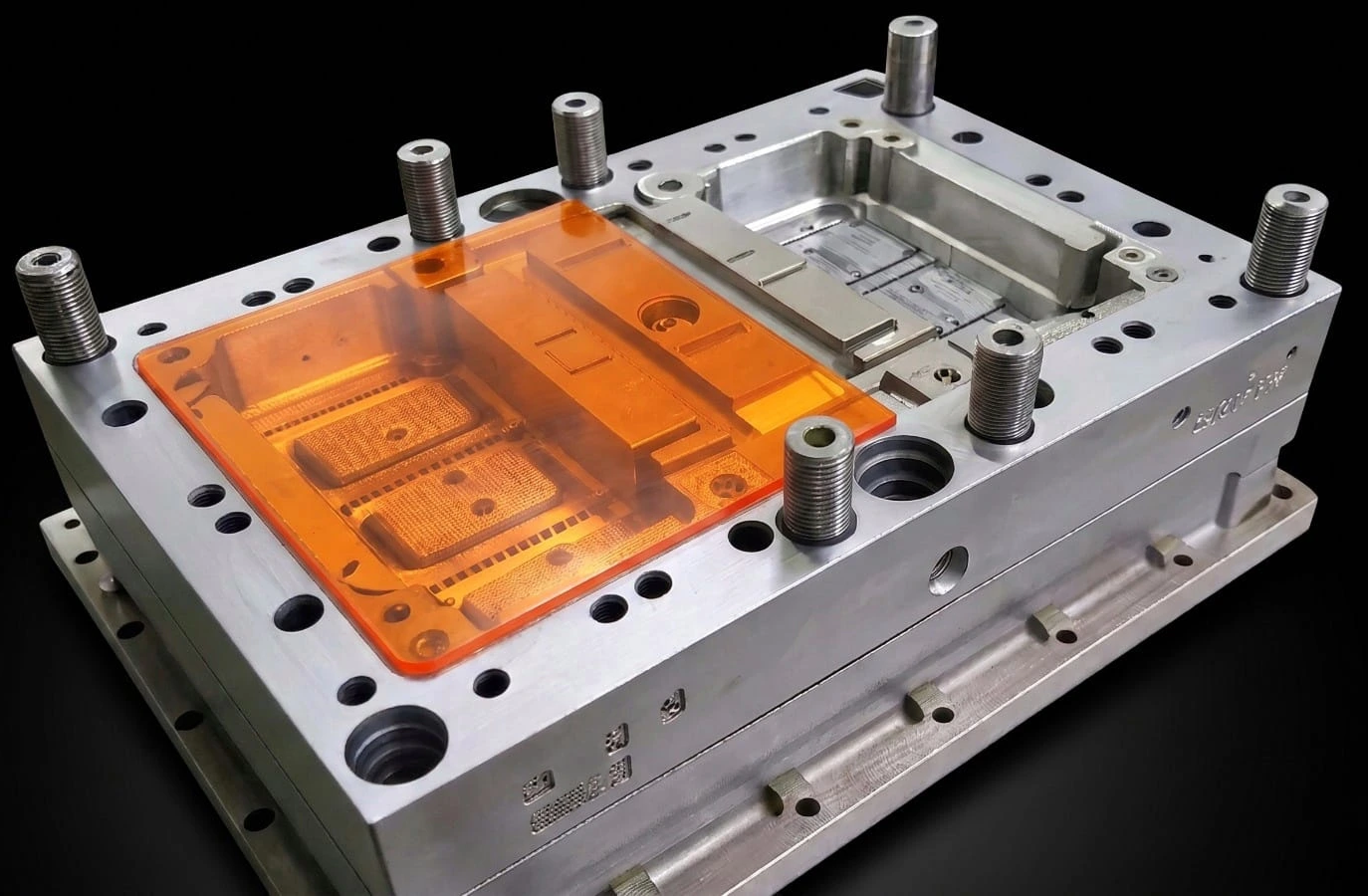
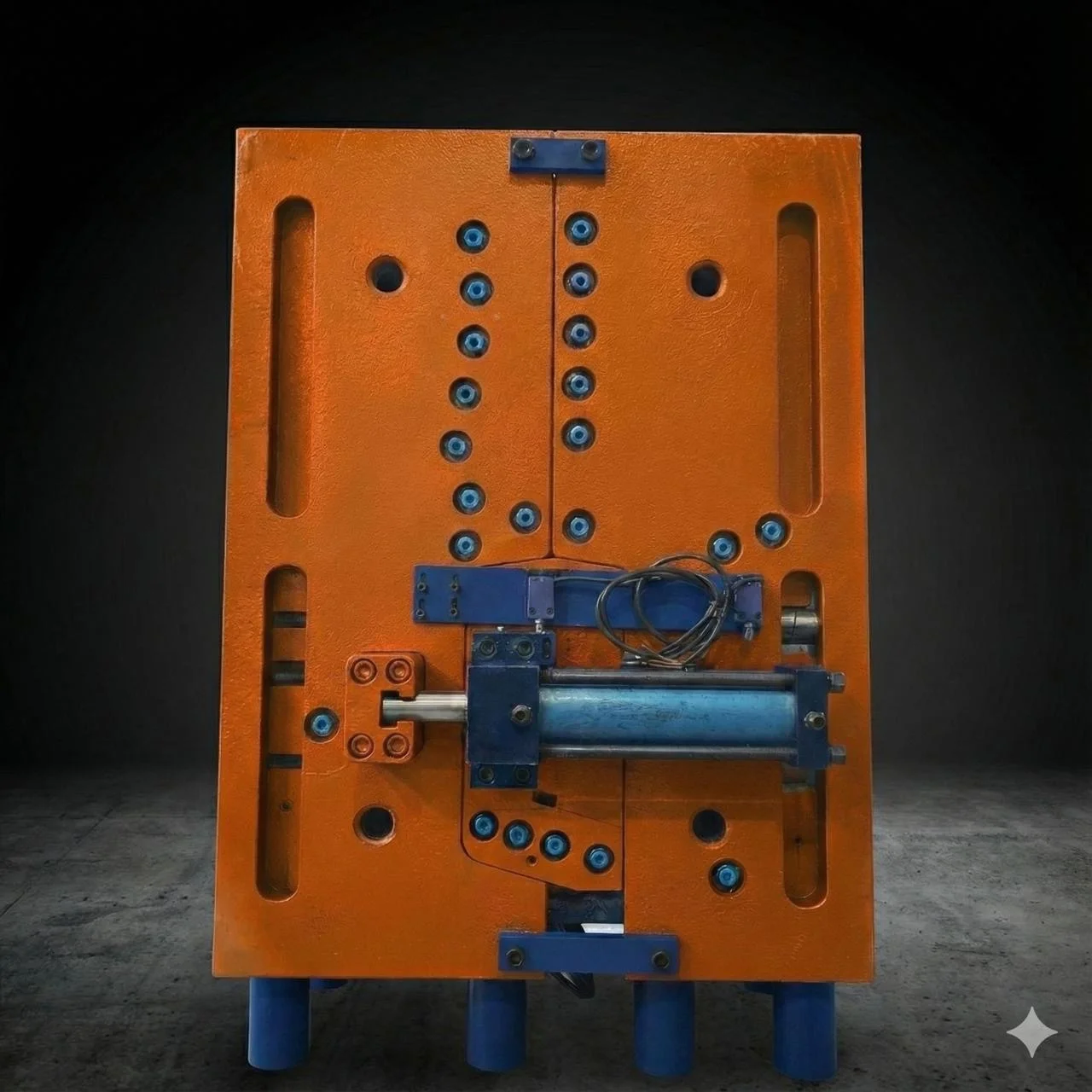
Tooling & Mould Design

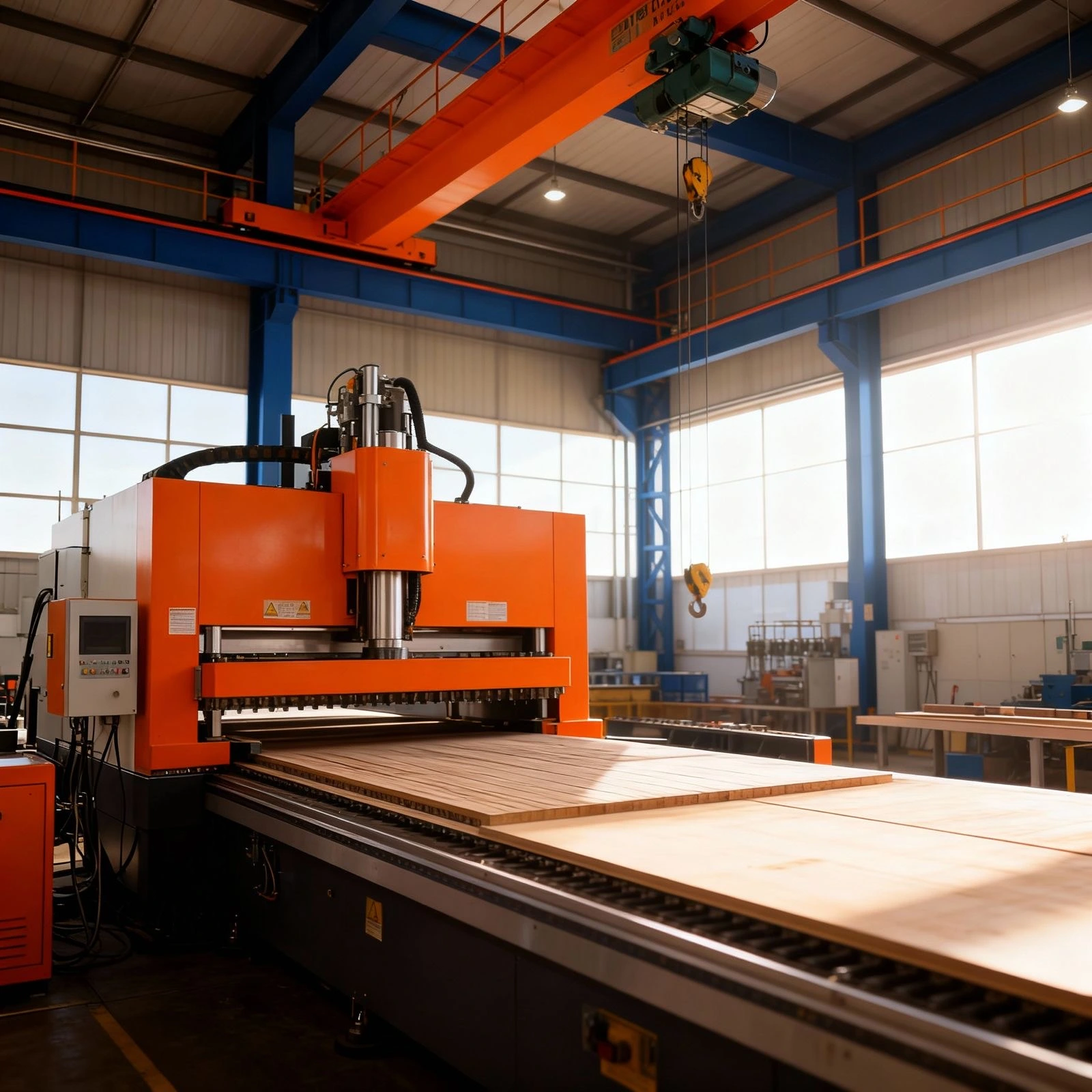
In-house die and mould design enables precise geometry control, tighter tolerances, and faster iteration from prototype to production.
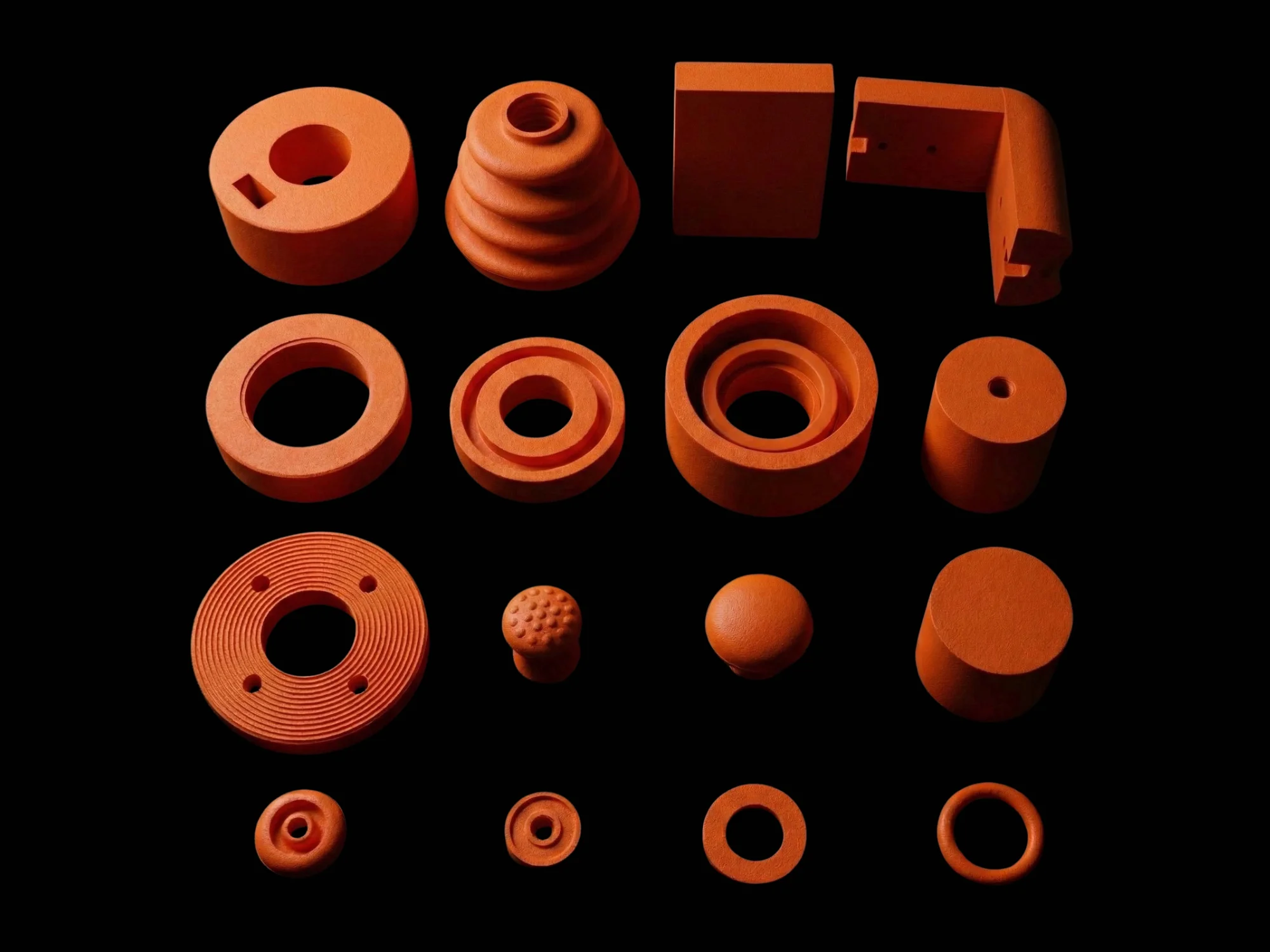
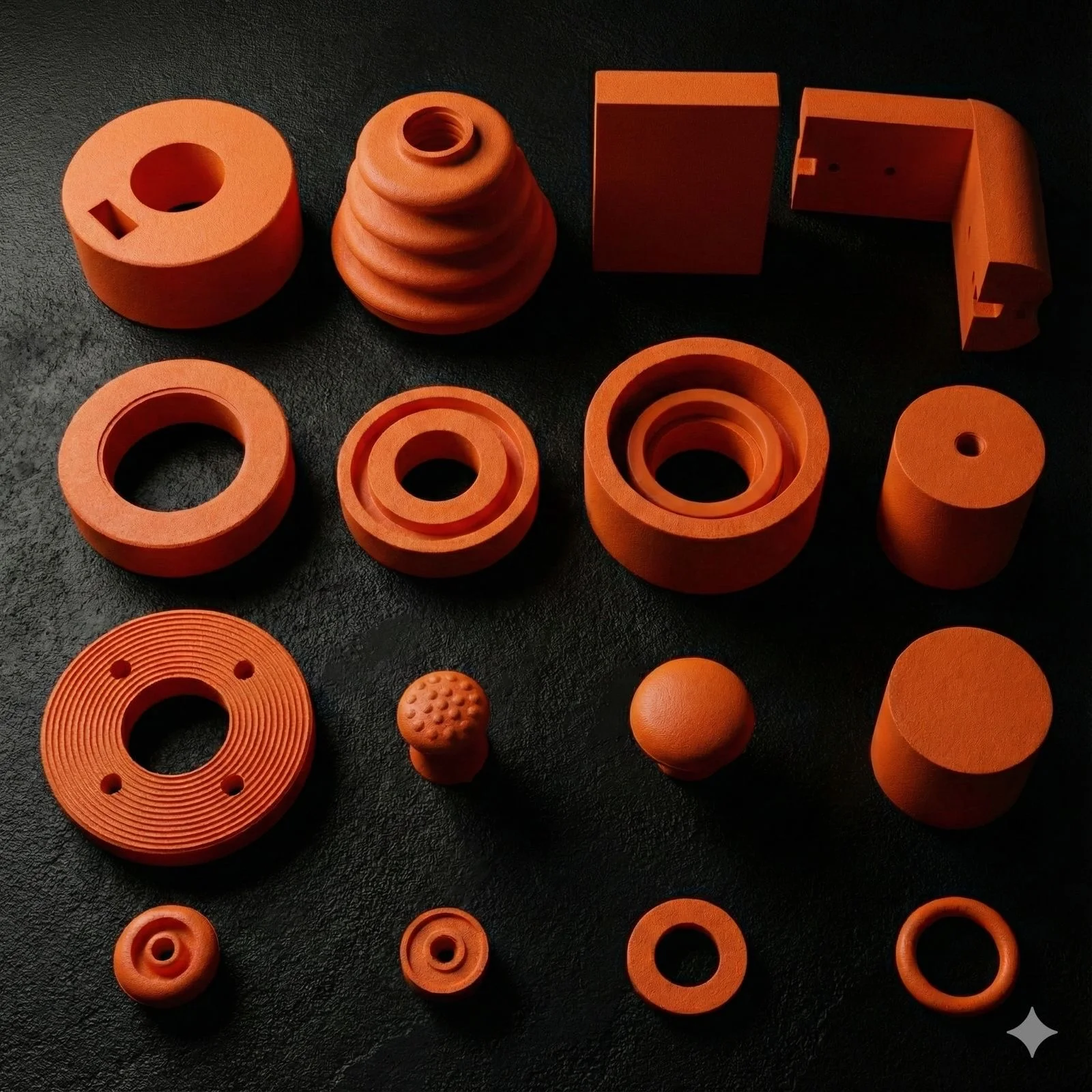
Precision Rubber Components

Diaphragms, grommets, valve seats, seals, and engineered elastomer parts manufactured to defined performance and dimensional specifications.

1
Integrated Component Manufacturing

Rubber-to-metal, rubber-to-plastic, and plastic-to-metal bonding for components requiring load transfer, vibration isolation, or structural integrity.

1
Fabricated Mixed-Material Assemblies

Custom assemblies combining elastomers, plastics, and metals for vibration control, alignment, sealing, and structural support.

2
Tooling & Mould Design

In-house die and mould design enables precise geometry control, tighter tolerances, and faster iteration from prototype to production.

1
Precision Rubber Components

Diaphragms, grommets, valve seats, seals, and engineered elastomer parts manufactured to defined performance and dimensional specifications.

ENGINEERED MATERIAL SYSTEMS

Component geometry, material interfaces, and bonding systems

High Abrasion Resistance
POLYURETHANE
Exceptional durability and load-bearing capacity. Designed for heavy-duty industrial rollers, pads, and scrapers.
DUROMETER
60A - 95A
TENSILE STRENGTH
HIGH
Oil & Fuel Resistance
NITRILE
NBR Elastomer. Engineered for superior resistance to petroleum-based oils, fuels, and greases in high-pressure sealing.
THERMAL RANGE
-30°C | +120°C
CLASSIFICATION
NBR Polymer
Vibration & Marine Stability
NEOPRENE (CR)
Multi-purpose polychloroprene elastomer  balanced for seawater resistance, flame retardancy, and physical toughness.
THERMAL RANGE
-40°C | +120°C
ENVIRONMENT
SEA/WEATHER
High-temperature Stability
SILICONE
Inert synthetic elastomer with exceptional thermal range. Engineered for high-purity medical and industrial sealing.
THERMAL RANGE
-60°C | +230°C
CLASSIFICATION
FDA Grade
Extreme UV Exposure
EPDM
Ethylene Propylene Diene Monomer. Optimized for high-ozone industrial environments and long-term UV exposure.
THERMAL RANGE
-50°C | +150°C
CLASSIFICATION
Elastomer
Extreme Chemical Resistance
VITON (FKM)
High-performance fluoroelastomer engineered for extreme chemical environments and high-vacuum.
THERMAL RANGE
-20°C | +200°C
ENVIRONMENT
ACIDS/FUELS
Heat & Oil Resistant Elastomer
HMBR
Designed for reliable performance under high heat and oil-exposed conditions.
THERMAL RANGE
−40°C to +150°C
CLASSIFICATION
Industrial / Oil & Heat Resistant
High Elasticity & Abrasion Resistance
Natural rubber
Excellent resilience and tear strength, ideal for dynamic applications requiring flexibility and durability.
THERMAL RANGE
−50°C | +80°C
CLASSIFICATION
GENERAL-PURPOSE ELASTOMER
Cost-Effective Abrasion Resistant Rubber
SBR
General-purpose rubber offering good abrasion resistance and mechanical strength for non-oil applications.
THERMAL RANGE
−40°C | +100°C
ENVIRONMENT
DRY / MECHANICAL
Excellent Air & Gas Impermeability
Butyl
Specialty elastomer with outstanding resistance to gas diffusion, moisture, and aging, ideal for sealing and vibration-damping applications.
THERMAL RANGE
−50°C | +120°C
CLASSIFICATION
SPECIALTY ELASTOMER
Typical applications

Designed for applications where interfaces matter as much as materials

Applications include vibration isolation components, bonded mounts and supports, sealing and control elements, structural elastomer assemblies, OEM integrated subassemblies

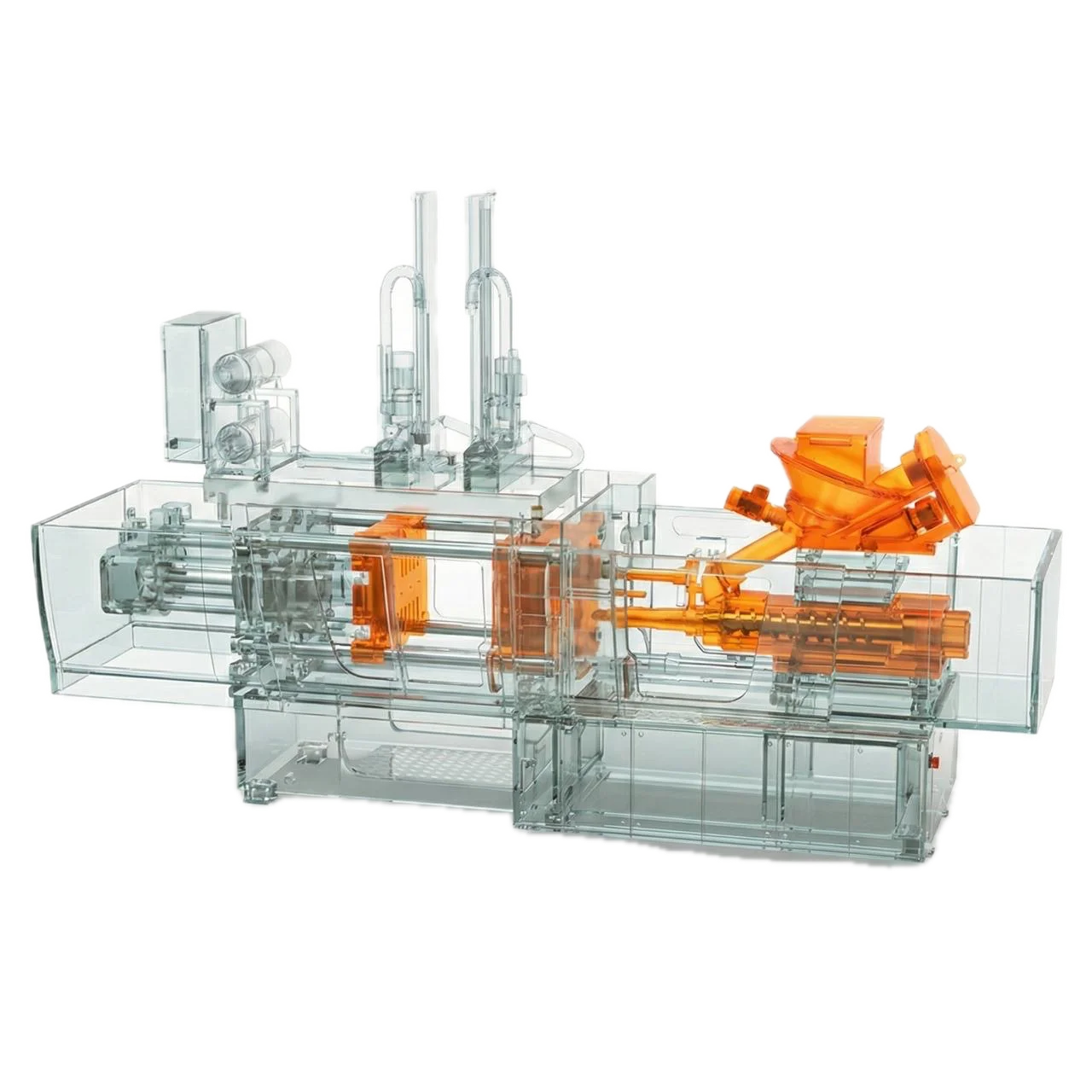
End-to-end manufacutring control

From material formulation
to validated components
1
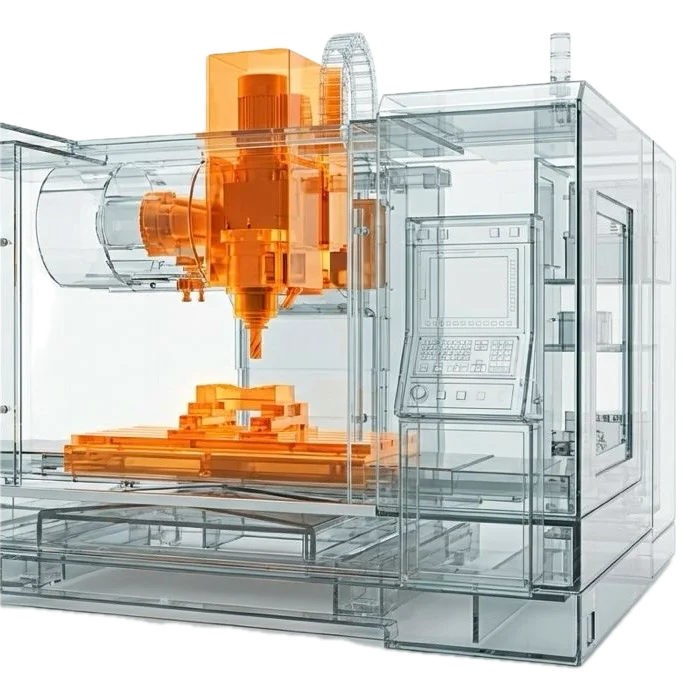
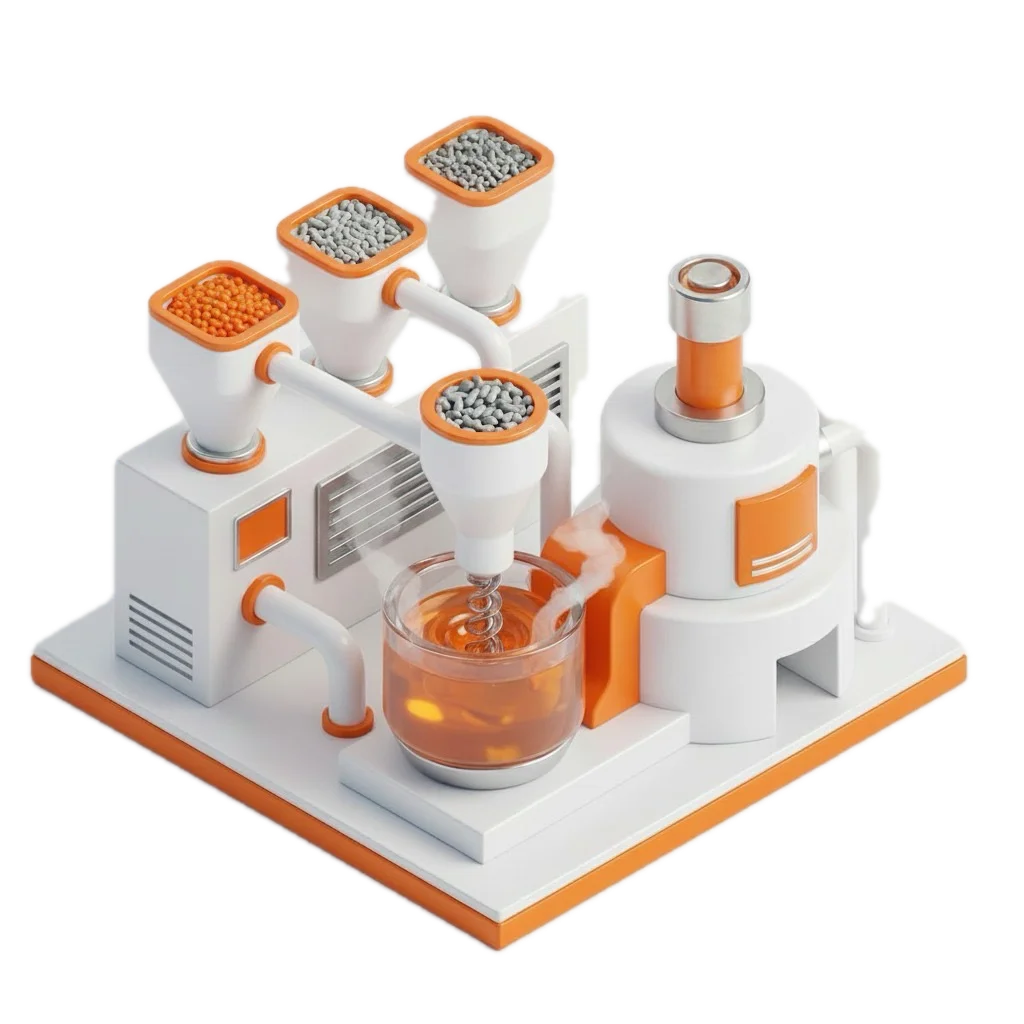
Formulation

Compound selection based on abrasion, impact, and fatigue requirements
2
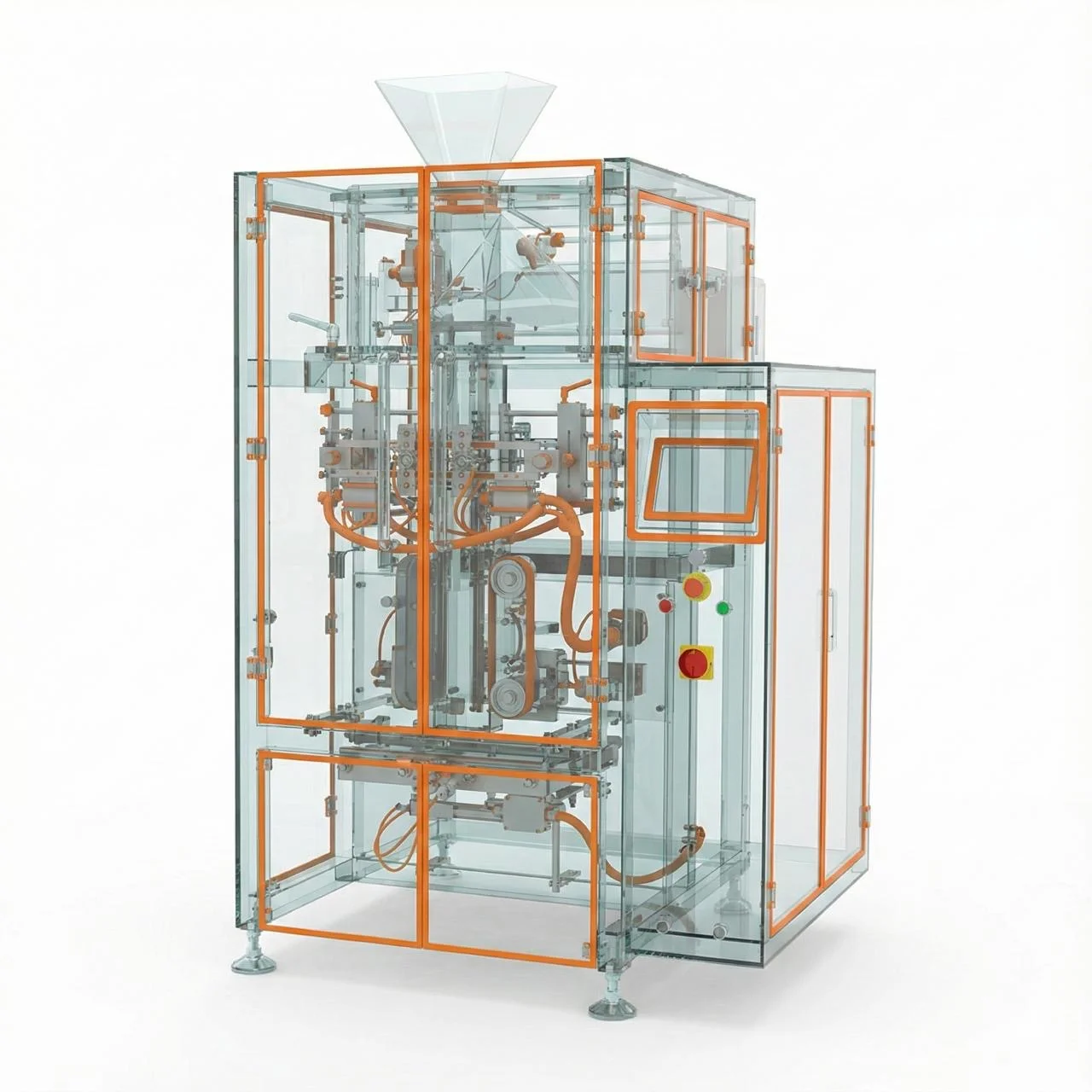
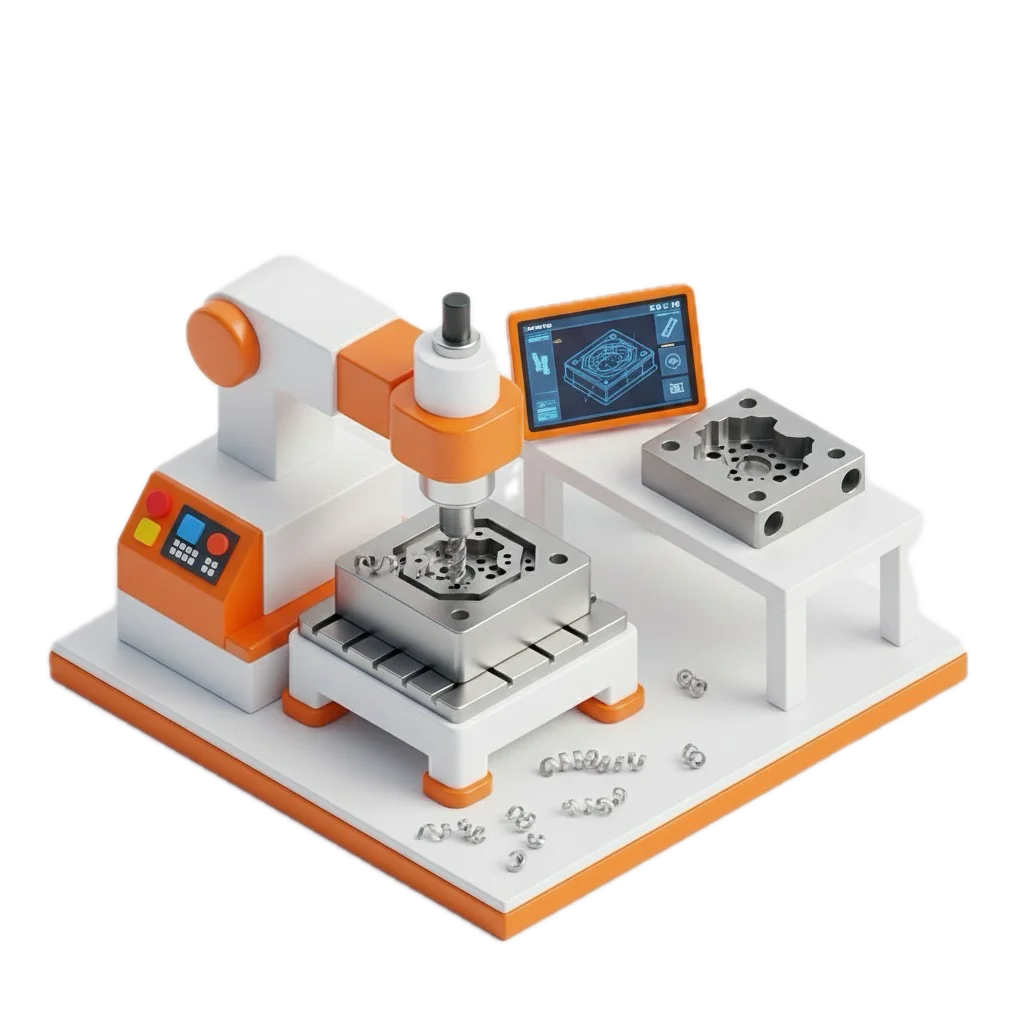
Tooling

In-house mould and die design to achieve dimensional accuracy and repeatability.
3
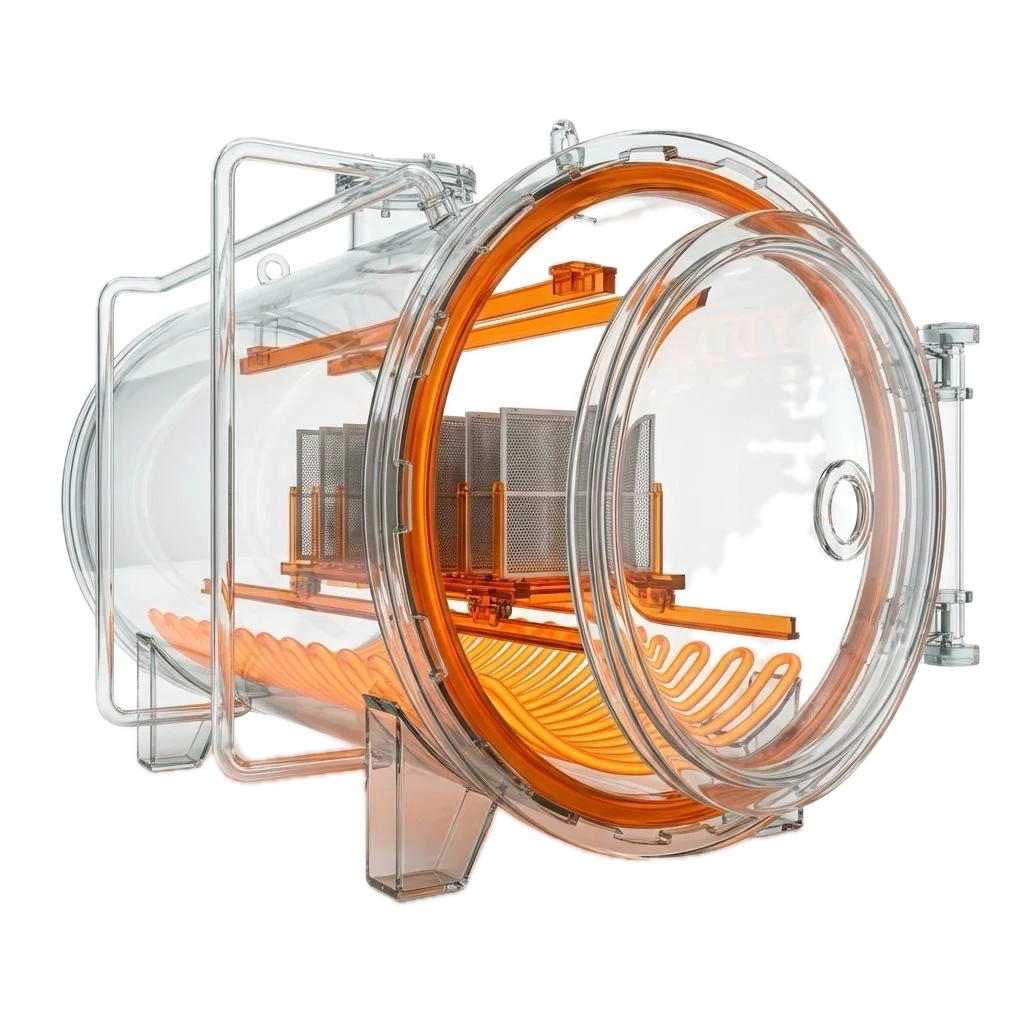
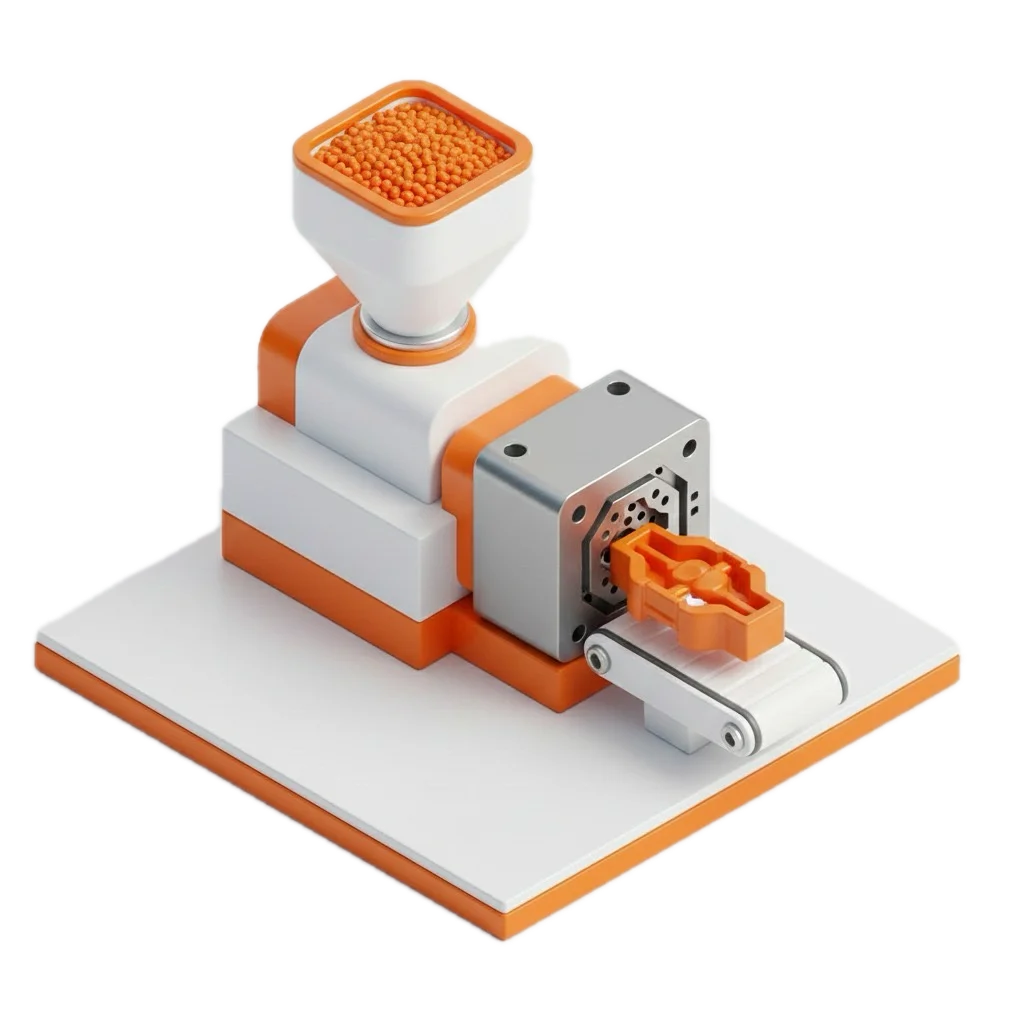
Moulding

Controlled moulding and casting of rubber and polyurethane components
4
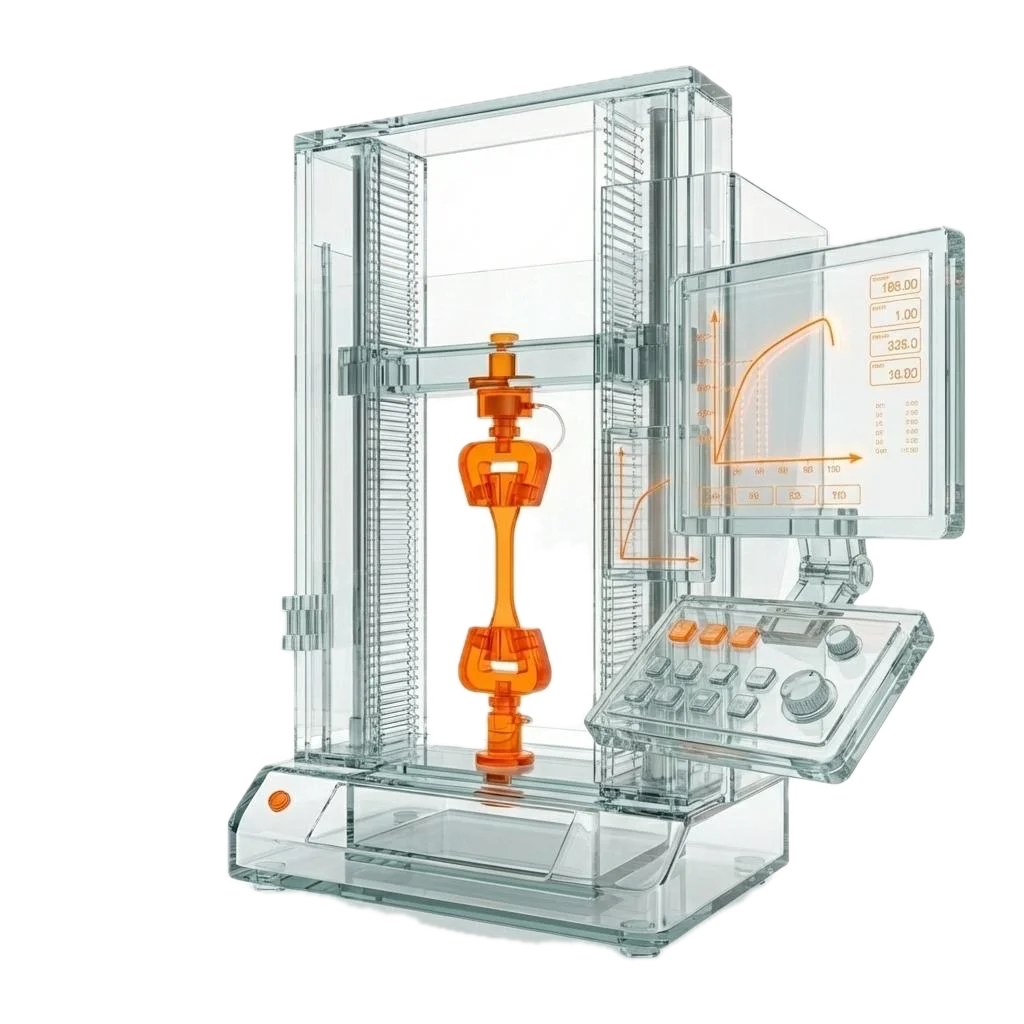
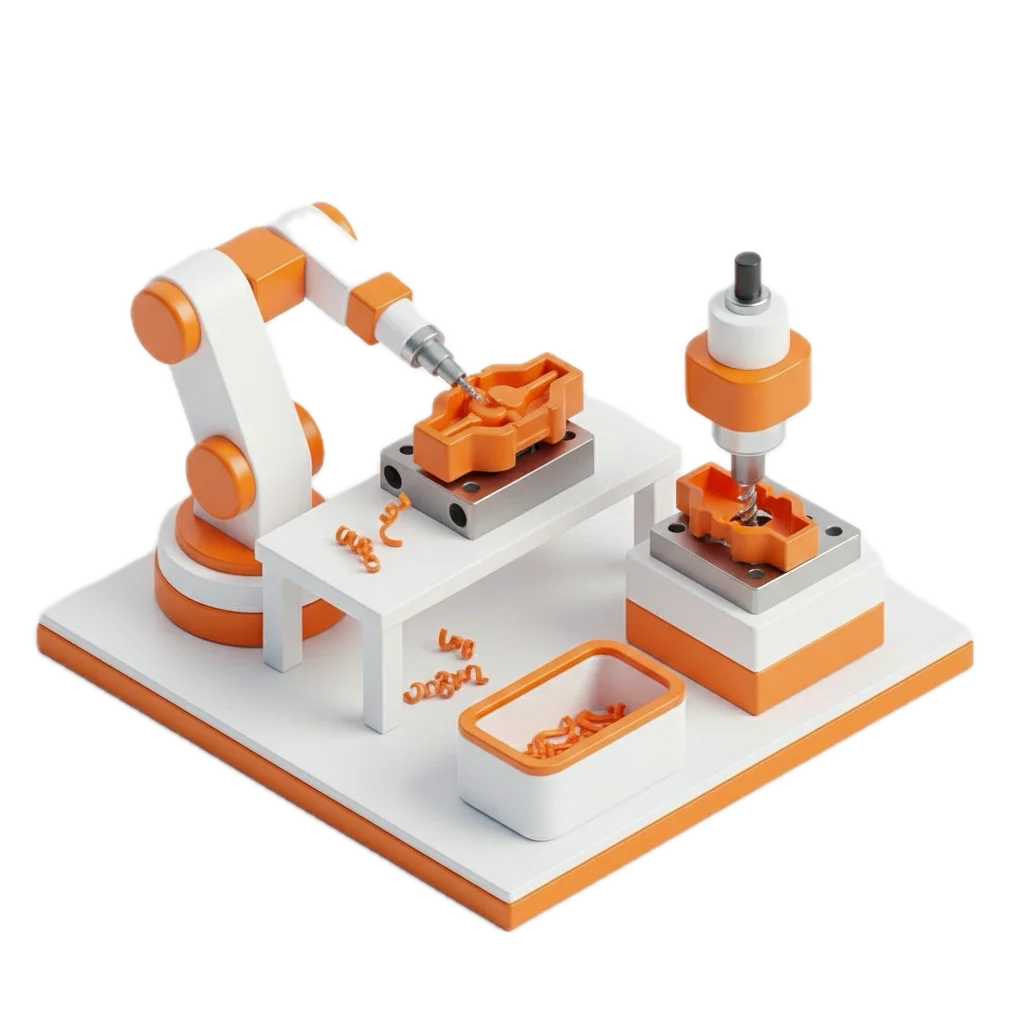
Finishing

Bonding, trimming, assembly, and surface preparation
5
Validation

Inspection and testing to confirm fit, material integrity, and performance

End-to-end manufacutring control

From material formulation
to validated components.
1
FORMULATION

Material selection based on load, movement, and environment
2
TOOLING

In-house mould and die design for precision and repeatability
3
MOULD

Controlled moulding and bonding processes across materials
4
FINISHING

Fabrication and integration of multi-part components
5
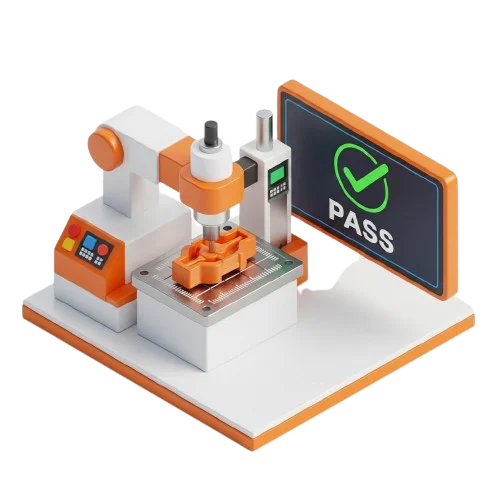
VALIDATION

Inspection and testing to confirm fit, bond integrity, and performance